
Farm to table to mouth to stomach to intestines to….

gulp

There’s been all manner of hullabaloo in the last few years over how food makes its way from wherever it started — ground, tree, plant, pig, chicken, cow — to the kitchen table (or if you’re me, to the deli counter sandwich). And that’s all well and good; I don’t know that I need to be made aware of my chicken’s first name, but there certainly isn’t any harm in knowing some stuff about the things you put in your mouth (that’s what she said).

Mary Roach, however, is concerned with none of that. Whether you’re eating a farm-raised chicken named Sarah — whose hobbies including pecking, clucking and the occasional egg — or spending an evening attempting to house a 40-piece McNugget meal is of no concern to Roach. She cares only about what happens after.

Continue reading “Farm to table to mouth to stomach to intestines to….”
Intergalactic, planetary

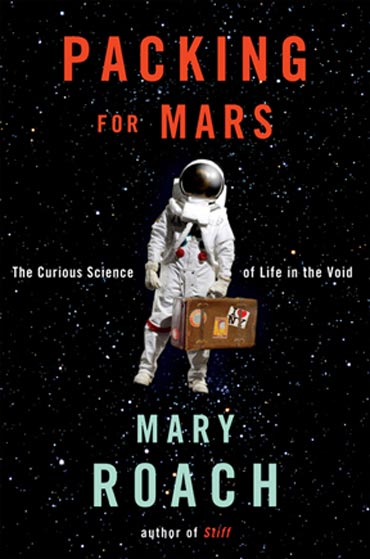
Imagine pooping in a plastic bag about six feet away from a good friend. Now imagine doing it in space. Now imagine imagining scenarios like this one while packed into a train crammed with commuters you hope won’t notice the frequency of the word “feces” in the book you’re holding, and you’ll get a sense of how truly awesome it is to read Mary Roach.

I first got into Roach in freshman year of college, when her debut book, Stiff: The Curious Lives of Human Cadavers, made me legitimately interested in what happens to our bodies after we die (no really, legitimately interested. I subsequently read Jessica Mitford’s The American Way of Death, which was just as fascinating, though far less hilarious). Since then, I’ve read each of Roach’s three subsequent books within a month of their release: Spook: Science Tackles the Afterlife, Bonk: The Curious Coupling of Science and Sex and most recently Packing for Mars: The Curious Science of Life in the Void. The last of these I finally finished over the weekend (after realizing that the chances of my polishing off 550-page The Corrections in time for this week’s review were slim to none).

Continue reading “Intergalactic, planetary”