The Land After Time

The-Age-of-Miracles

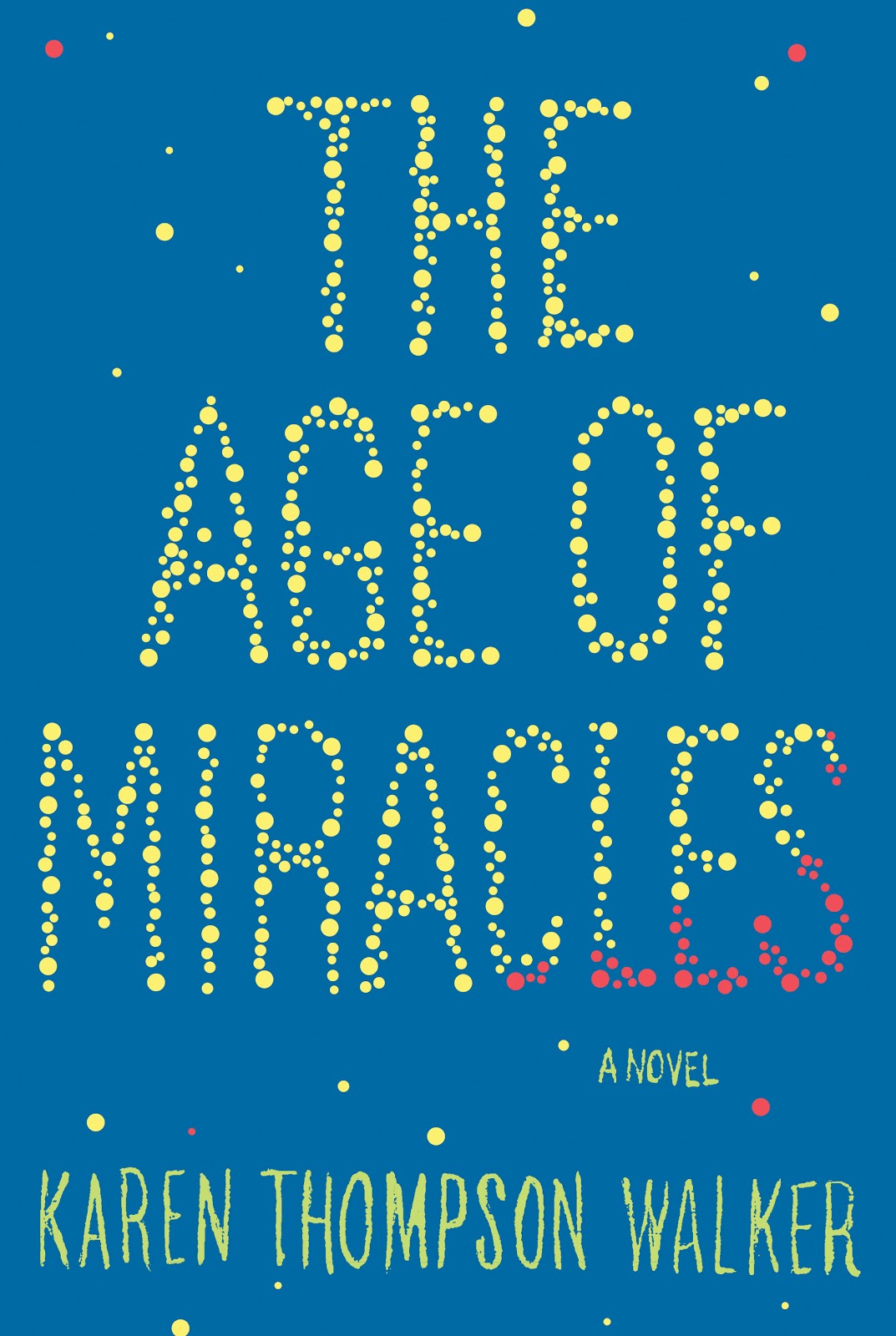
I imagine that the way you feel after reading The Age of Miracles says something about the kind of person you are, in a glass half-empty/half-full kind of way. It’s that kind of book.

At some point in the not-so-distant future, the Earth’s rotation begins to slow. The days and nights grow longer; clocks become irrelevant. Scientists can’t explain it; they only know that “the slowing” is happening quickly — once 24 hours, a single day expands to 26, then 29, then 35. The government steps in and everyone is instructed to live on clock time; school starts at 9 a.m. again, whether it’s blue sky and sunshine or black sky and stars. Daily life, for so long inย syncย with the rhythms of the planet, becomes unmoored from them. And as the days and nights grow longer, people can’t help but wonder: How long will it take before the slowing — or the myriad weather and atmospheric phenomena it enables — becomes the stopping? Continue reading “The Land After Time”

Who watches the people watching the people watching the Watchmen?

Me: I’ve started Watchmen, and it’s great.
Friend: The movie was so. very. desperate. I felt a little molested when I left. Granted, I watched it in IMAX, so the 3-story blue schlong was part of it.
Friend: Literally, it was a dick three stories tall.

I think we can all agree that there was absolutely no other way to begin this review.

watchmen-749826

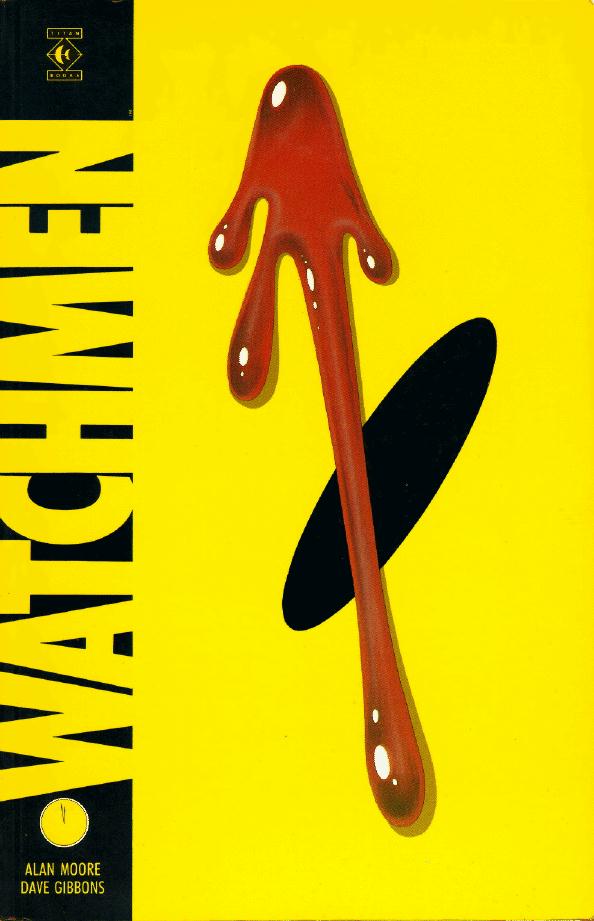
Finishing Watchmen is a small victory in my quest to keep a mildly ambitious list of 2013 reading resolutions, which also include spending a little time with biographies, poetry and historical nonfiction. (Let’s all pause for a moment to be collectively not surprised that I started with the graphic novel.) Watchmen is also arguably the most famous graphic novel of all time, an accolade I’m basing on the fact that it was recommended to me by no fewer than three people, and has a substantial number of glowing blurbs on its back cover. If I was going to read a graphic novel, this seemed the obvious place to start.

At the risk of provoking a nerd outcry (and in the interest of explaining the novel to those who haven’t read it) Watchmen is sort of like a really dark The Incredibles. It takes place in a fictional 1985, eight years after the Keene Act outlawed “costumed adventuring” by vigilantes not in the employ of the U.S. government. The novel opens with the death of the Comedian, a former member of both the Minutemen (a 1940s group of masked avengers) and the Crimebusters (the Minutemen’s much more horribly named successors). The Comedian’s death, a probable homicide, leads us to Rorschach (another former Crimebuster, and our protagonist of sorts), who is convinced that someone is purposefully killing masks. The rest of the novel is a whodunit for this mysterious killer, as well as a biography-slash-memoir of the masked avengers, and a fairly timeless commentary on the ills of society and the threat of nuclear destruction (despite being fictional, this 1985 still includes a Soviet war in Afghanistan). Although it isn’t particularly hard to follow, it would be fair to say that Watchmen has a lot going on.

Continue reading “Who watches the people watching the people watching the Watchmen?”
Zombies, so hot right now

warmbodies

After spending most of this weekend slogging through another 4% in Les Miserables (I swear that I’m actually enjoying it, just sort of the way you’d enjoy doing “laps” in one of those infinity pools), I decided to take a breather last night and knock out a book I’ve been meaning to investigate since trailers for its movie adaptation starting popping up on my radarโ€”Isaac Marion’s Warm Bodies.

As the movie previews suggest, Warm Bodies has a simple premise: Zombie “R” spends his days meandering around an airport with his fellow undeadโ€”including best friend “M”โ€”but during a routine search for food he stumbles across Julie, a human who we later discover just so happens to be the daughter of the military general in charge of preserving whatever semblance of humanity is left. R doesn’t fall in love with Julie so much as feel something, which, when you’re dead, is enough to provoke a bit of curiosity.  Over the course of the novel, R and Julie become friends, and through said friendship (plus all to-be-expected romancing) R finds himself becoming more and more human, a development that not only spells good things for the prospect of Julie not committing necrophilia, but also for the fate of those millions upon millions of other zombies in this post-apocalyptic world. After all, if one can start feeling again, couldn’t they all? 

Continue reading “Zombies, so hot right now”

If a hurricane touches land and there’s no Chris Christie to meet it, is it still a hurricane?

Texas Great Storm
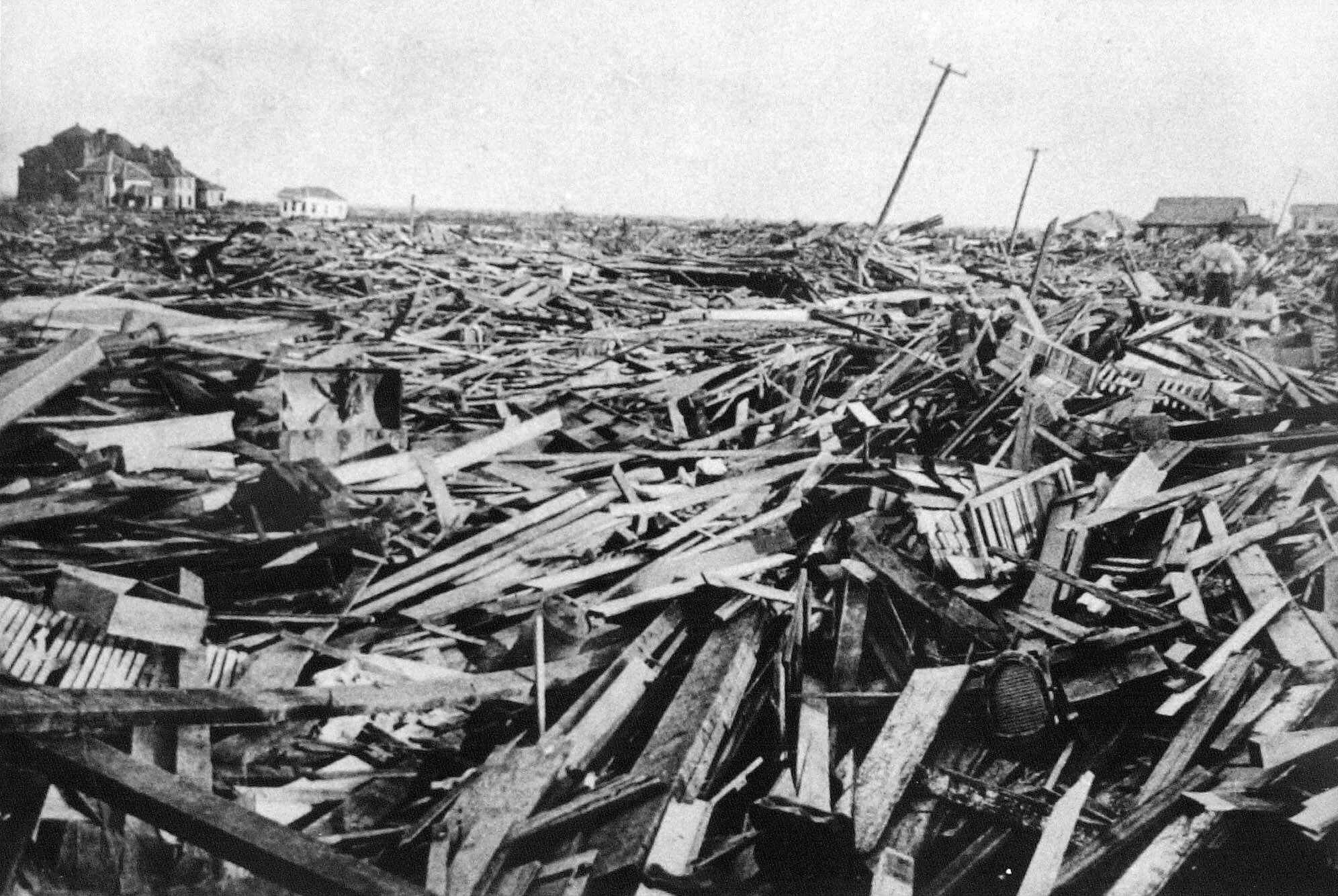
Galveston, post-destruction (obvi).

The year was 1900. The place: Galveston, Texas, a growing town with dreams of becoming the next Houston. The guy: Isaac Cline, resident meteorologist for the U.S. Weather Bureau, sent to Galveston with explicit instructions to establish a state-wide weather service, while simultaneously improving the perception of the bureau asโ€”gaspโ€”ineffective at predicting the weather.

So much for that plan. On September 8, Galveston is hit by an enormous hurricane, which over the course of the day destroys the town, kills more than 6,000 peopleโ€”some estimates put the total as high as 12,000โ€”and lends both anecdotal and scientific evidence to what was only recently proven again along the East Coast: hurricanes are serious business. 

Continue reading “If a hurricane touches land and there’s no Chris Christie to meet it, is it still a hurricane?”

Biographies, poetry, and one graphic novel: My 2013 reading resolutions

cathat

As January chugs along, I’ve decided that 2013 should bring with it some book-related resolutions on my part, as I can no longer be trusted to pick up anything that doesn’t promise humor, action, or the cloyingly timid romantic advances of potentially supernatural young adults.

Believe it or not, this is the third year of Sorry Television, which either means I’ve finally settled into the routine of being an unpaid but extremely enthusiastic book blogger, or that I should discover a new hobby. Maybe both. Either way, I took a look back through the 115 books I’ve read since launching ST back in November 2010, and this is how it shakes out.

Fiction (mostly literary with a few mass-market choices): 37 books / 32%
Nonfiction: 22 books / 19%
Young Adult: 14 books / 12%
Memoirs: 11 books / 10%
Science fiction/Fantasy: 10 books / 9%
Essays: 9 books / 8%
Classics: 5 books / 4%
Trash (two Sookie Stackhouse books and three Fifty Shades): 5 books / 4%
Short stories: 2 books / 2%

All in all, a moderately diverse showing, but I see some definite room for improvement. Which is where you guys come in. Here are the literary genres I’d like to work into my 2013 reading list:

Continue reading “Biographies, poetry, and one graphic novel: My 2013 reading resolutions”