The Night Guest is why everyone needs a Golden Girls house

the-night-guest

I have two secret wishes that I think betray how awesome I’m going to be at old age. The first is that I have always – always – wanted to go on a cruise. A children-less, alcohol-fueled cruise to various ports of call, at which I would disembark for the better part of an afternoon to buy tchotchkes and eat meals in fancy oceanside restaurants. I’m not saying I’m not aware of the various misadventures that can befall one on maritime vacations (we all went through poop cruise); I’m just saying that in a best-case-scenario, where the weather is lovely and my room is spacious and there are no icebergs, I think a cruise could be fun.

My other Secret Old Person Opinion is that I am pumped to live in a retirement community (again, in a best-case scenario where my room is spacious and there are no icebergs). My very first job was as busperson (feminism) for the swank dining room of a upscale retirement community in the DC suburbs. Outside of the elderly’s very serious demands when it comes to seating arrangements (“But I always sit at the third table on the left”), the job wasn’t bad: generally respectful clientele, no kids throwing food on the floor, and free dinner (plus waffle-bar Sundays). But more importantly, it didn’t seem that bad for them either. Retirement communities are where you can chill with other old people, take things slowly, have your meals delivered and be cranky without etiquette-related ramifications. I mean, I bet you only have to wear shoes like, 30% of the time. And finally, perhaps most importantly, in a retirement community you got people looking out for you.

Continue reading “The Night Guest is why everyone needs a Golden Girls house”
What if Chris Christie was a closet werewolf?

Red Moon

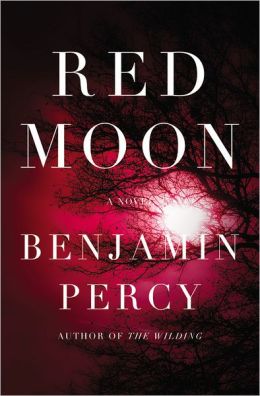
When you say you’re reading a novel about werewolf politics, there’s an understandably large group of people whose first inclination is to tune out. Generally speaking, I would be one of those people.  But sometimes, a political werewolf novel is both a political werewolf novel and just enough more to be good.

Benjamin Percy’s Red Moon takes place in a fictional present where 5.2% of the population are lycans, which is to say werewolves. Lycans can control when they “turn” (it involves hairy bodies and bleeding gums) but are still maligned by the general public and forced to endure certain indignities, like a national registration and a government-mandated sedative to suppress their aggression. Compounding the tension, a small faction of lycans have formed a resistance movement, which is carrying out acts as small as vandalism and as large as terrorism in defense of lycan rights and the independence of the Lupine Republic, lycans’ native country, which the U.S. is occupying and milking for uranium.

Continue reading “What if Chris Christie was a closet werewolf?”

Before there was Gone Girl, there were Sharp Objects

sharp-objects-book-cover

People who have read Gillian Flynn’s Gone Girl tend to have opinions about Gillian Flynn’s Gone Girl. And I mean OPINIONS. Loved the first half, hated the second. Loved her, hated him. Can’t believe they cast Ben Affleck in the movie. And so on.

Personally, I was a fan. Flynn’s approach to the mystery genre was weird and interesting and unpredictable and sometimes uncomfortable. I can get down with that. Which is why I’d been looking forward to reading her first novel, Sharp Objects.

Sharp Objects homes in on the same creepy vibe as Gone Girl, centered on characters who seem just a touch shy of believable, but interesting all the same. The novel focuses on bottom-tier Chicago reporter Camille Preaker, who is assigned to write about a series of murders in her small hometown. Spending time at home is trouble for Camille, who must face her passive-aggressive hypochondriac mother, her 13-year-old half-sister (think Regina George meets Satan) and a slew of other characters from her not-so-great childhood. Truth be told, Camille is perhaps not entirely in her right mind, having recently spent some time in a mental institution.

Continue reading “Before there was Gone Girl, there were Sharp Objects”

Malala is my girl

malala

The most important line of I Am Malala arrives on page 111, nearly halfway in:

“I was ten when the Taliban came to our valley. Moniba and I had been reading the Twilight books and longed to be vampires. It seemed to us that the Taliban arrived in the night just like vampires.”

Moniba is Malala’s best friend, classmate and fellow over-achiever, and together they are the one thing that much of the Malala coverage in the last week has failed to keep in mind: regular teenagers.

Like most of the world, I have a touch of Malala Fever. It’s hard not to. When I was 16, I could barely drag myself to school in time for first period, let alone be bothered to defend my right to attend at all. Surely if someone had stopped my bus (or 1993 Dodge Neon) mid-commute and shot me in the face over the matter, I’d have given up education entirely. Sorry pre-calculusβ€”shot in the face. So long gym requirementβ€”shot in the face. And so on.

Continue reading “Malala is my girl”

Wolf Hall: Not about a prep school for wolves

wolf

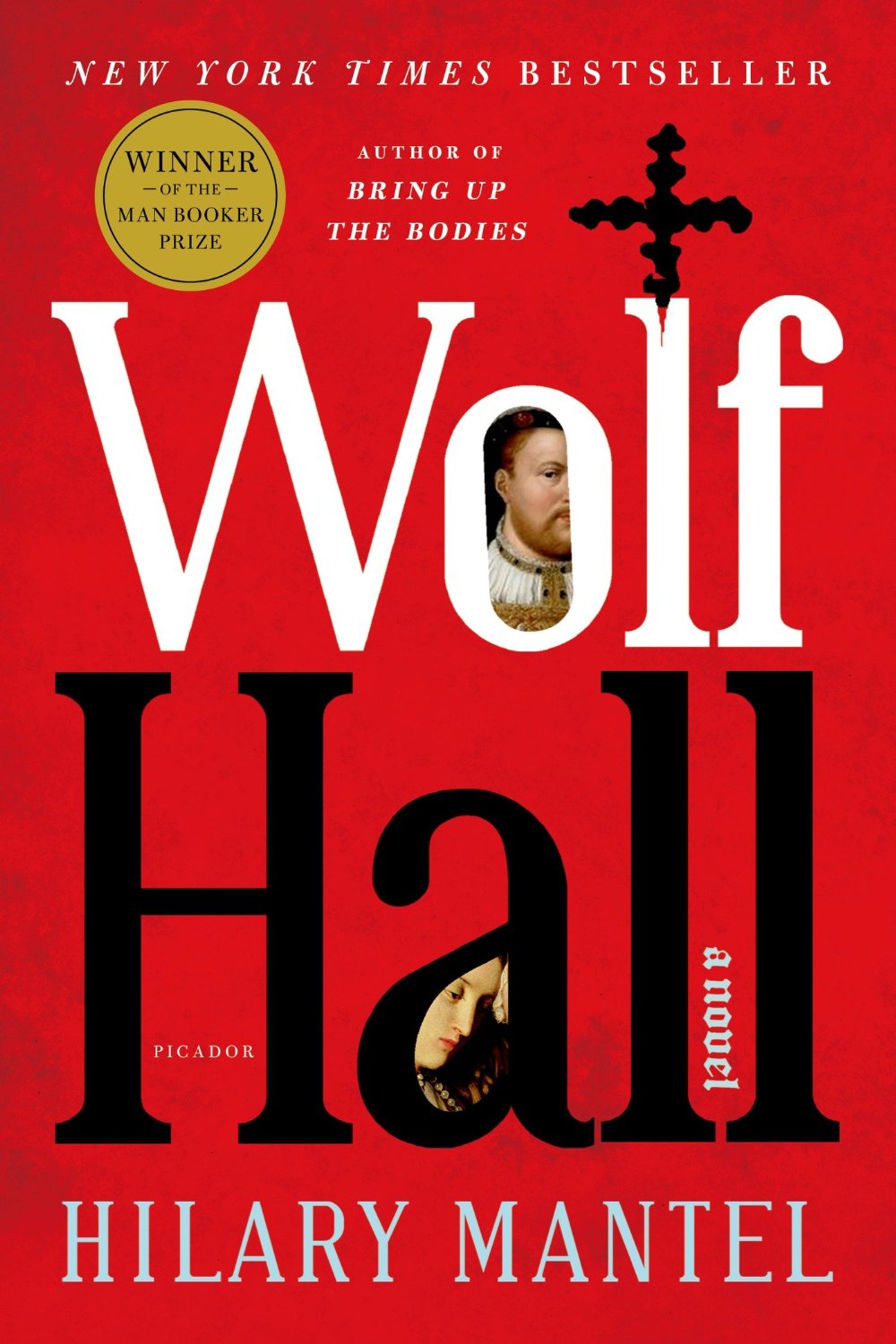
No matter how many accolades Wolf Hall has gotten, it’s hard not to tuck into a “Thomas Cromwell trilogy” without feeling a bit like the 73-year-old version of yourself (just with fewer afghans; I plan to have a lot of afghans). And for the first hundred pages of Hilary Mantel’s inaugural Cromwell novel, I wondered whether I had perhaps jumped the gun on King Henry-themed historical fiction: For all its wit and depth and (what I assume is) contextual accuracy, Wolf Hall was failing to take me out of myself. It seemed a book for a quiet afternoon at the library, or a peaceful morning in bed, not the kind of novel that might make itself heard over the cacophony of a subway commute.

Wolf Hall is, put simply, a fictionalized biography of Thomas Cromwell, from his time as right-hand man to Cardinal Thomas Wolsey (lots of Thomases in this book) through his ascension in the court of King Henry VIII. The novel won the Man Booker Prize and the National Book Critics Circle Award and has already been picked up for the stage and television. Its sequel, Bring up the Bodies, also won the Man Booker Prize, reminding us that British lady authors can write bestselling literary series that don’t include wizarding schools or vomit-flavored jelly beans.

Continue reading “Wolf Hall: Not about a prep school for wolves”