
Clockers: A blueprint for The Wire

clockers

It’s been two decades since Richard Price’s Clockers first hit bookshelves (kids, those are the things grown-ups had before tablets to hold their bound volumes of printed paper product). A lot has happened in those 22 years: America got its first black president, the Red Sox broke their 86-year curse, Justin Bieber was born. And yet, to read Clockers in 2014 doesn’t feel much like an exercise in time travel, or historical fiction. For all the emphasis the United States has put on in its wars on Drugs and Poverty, respectively, Clockers might as well have been written last year

Set in a fictional New Jersey town, Clockers follows the ins and outs of a group of housing projectsβ€”home to a complex network of drug dealersβ€”as well as the cops and detectives whose business it is to prevent the success of said drug trade. The novel is primarily concerned with Strike, an up-and-coming pusher struggling to balance his financial ambition against his disillusionment with hustling; and Rocco, a homicide detective charged with investigating a murder that may be connected to Strike’s crew. Split between the perspectives of its two main characters, Clockers is immediately reminiscent of the McNulty/Avon dynamic in the first season of The Wire. Which makes sense: author Richard Price was a writer on the show.

Continue reading “Clockers: A blueprint for The Wire”
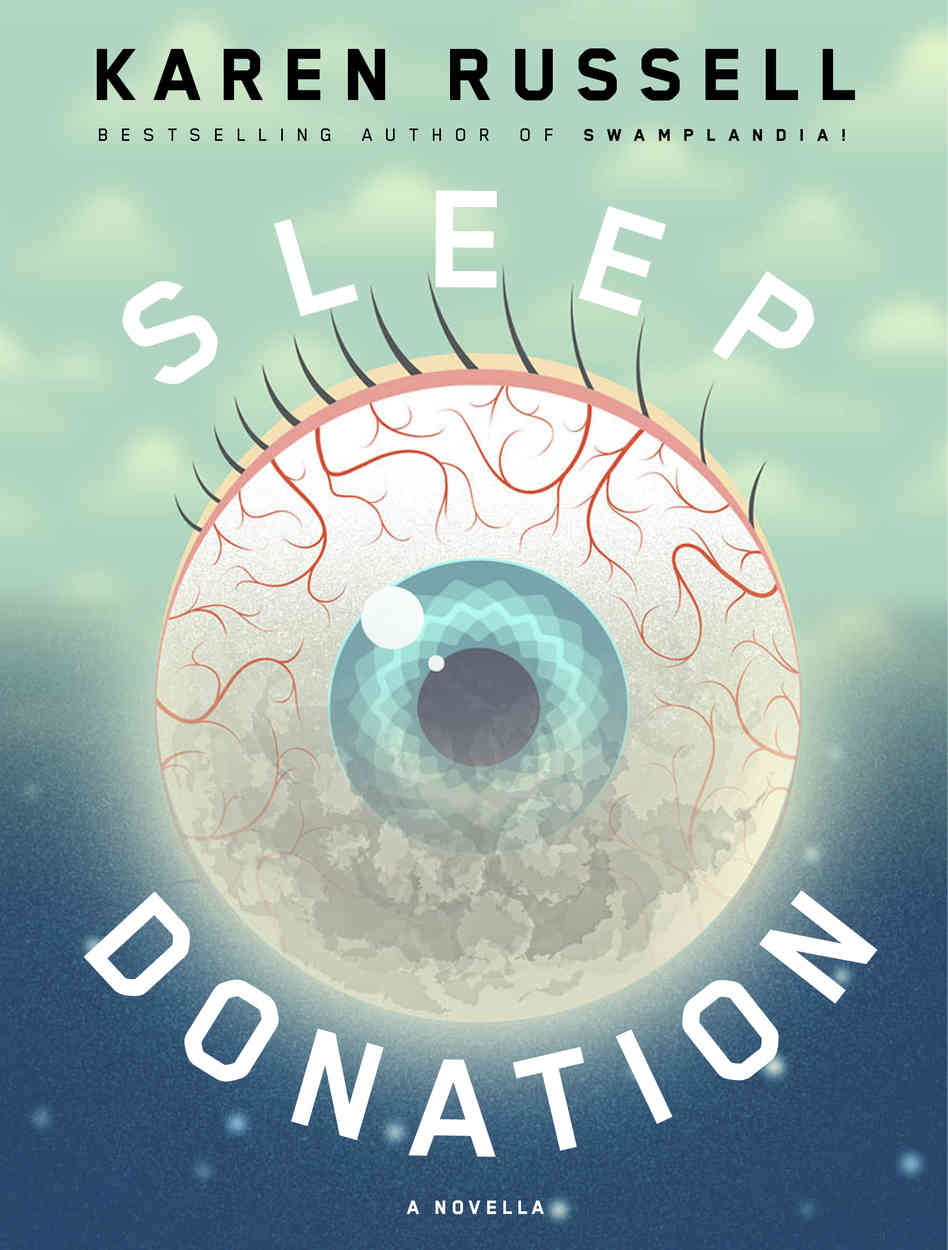
Things I would never donate: sleep

sleep-donation_custom-96df7c79f083052c949c038dc4627cd1a311d5b2-s6-c30

After a brief and mildly unintentional two-week break, I am back in action, and ready to talk about sleep.

My first tour with Karen Russell wasn’t that long ago; I read Swamplandia! (exclamation point included, like Yahoo!), her debut novel, back in September, and enjoyed its eerie blend of oddball setting and vaguely supernatural plot (bonus fact: the book was shortlisted for the Pulitzer in 2012). I also loved the concept: a struggling family-run alligator-themed amusement park in the Florida Evergladesβ€”whose chief attraction is a one-woman “I swim with gators!” showβ€”comes upon hard times that try its quirky owners. Like a Geek Love/Big Fish/Heart of Darkness mash-up (jungles! ghosts! competing theme parks!), Swamplandia! had a lot to offer, and Russell’s ability to turn a phrase is impressive, even when some of the novel’s more fantastical moments failed to enthrall me.

Continue reading “Things I would never donate: sleep”

Lionel Shriver’s Big Brother will probably become a Julia Roberts movie

big-brother_custom

From the perspective of the weight-gainer, there’s something socially bizarre about getting fat. About facing, day in and day out, acquaintances for whom fat is a culturally endorsed obsession and yet still a conversational taboo. Next to sex, size might be the thing we think about the most in general and talk about the least in mixed company. Which makes gaining weight, for the gainer, sort of like dyeing an inch of your hair pink each month, both hoping and resenting that no one will mention it. That is, if pink hair could be mitigated by Spanx.

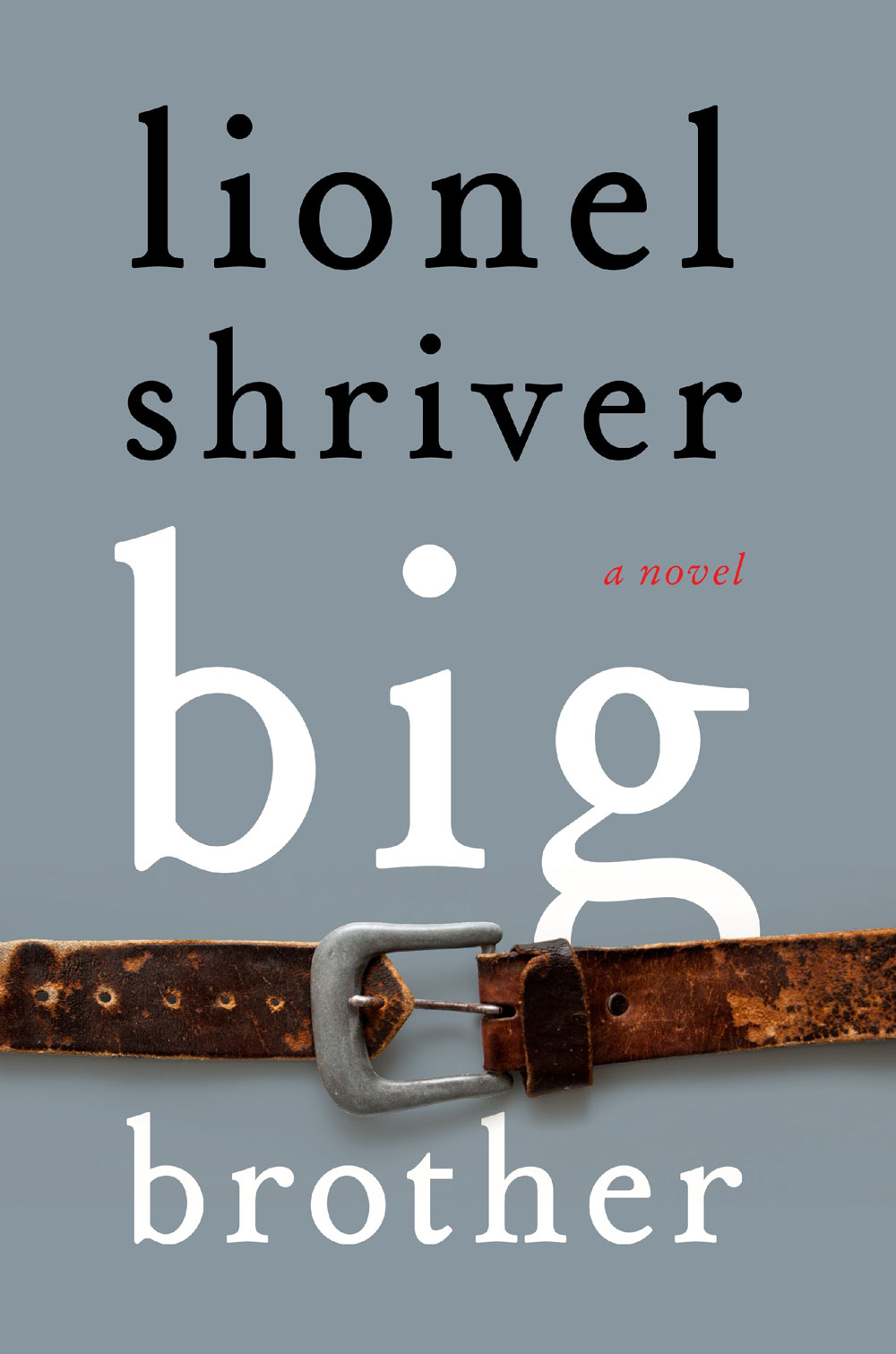
Big Brother is excellently concerned with this and other facets of the American obesity epidemic. The novel is centered on Pandora Halfdanarson, a married stepmother of two who has spent the last few years running a successful business while also settling into the trivial stalemates of a stable marriage (she’s gained weight; her husband Fletcher has become a fitness fanatic). Strapped for cash and in between jazz gigs, Pandora’s older brother Edison comes to stay with her, but when he arrives at the airport, Pandora doesn’t recognize him. Since they last saw each other, Edison has grown from a longstanding 160 pounds to nearly 400; the flight attendants insist on rolling him out in a wheelchair.

Continue reading “Lionel Shriver’s Big Brother will probably become a Julia Roberts movie”

Laline Paull’s The Bees: Honey doesn’t buy happiness

18652002

As highly functional and exceedingly authoritarian societies go, bees are legit. One need only skim some of the mass bee death headlines of the last few years to understand that for animals so small, seemingly innocuous and unwelcome at picnics, bees basically run the world. Or keep the world running.

Given their propensity for hierarchy, bees also seem an apropos topic for the ever-growing canon of dystopian fiction. After all, they’re an all-natural example of the kind of social order foisted on humans in books like 1984, The Handmaid’s Tale and Brave New World. Bees have a ruler, a class system, and a directive (however innate) to stick with the program lest the whole hive suffer for an individual’s absence of industry. Needles to say, I could never be a bee, or any other animal whose entire existence is synonymous with hard work and constant activity. (Given the choice, I’d be a house cat; their lives are 70% sleeping, 10% eating and 20% knocking things off tables.)

Continue reading “Laline Paull’s The Bees: Honey doesn’t buy happiness”

Flash Boys is lucky it doesn’t have weirder Google Image results

flash-boys-jkt_1

I know, I know–reviewing Flash Boys is so last week. But I approach my reading the way I approach my running: Don’t worry about what everyone else is doing, just get there in your own time. (Incidentally, this is also how I approach fashion, new music, travel, food fads, and pool.)

If you’ve managed to miss out on the Flash Boys Extravaganza (which sounds like a raunchy Chippendales show), it goes like this: Michael Lewis, best known for writing the seminal Wall Street memoir Liar’s Poker, as well as The Blind Side and Moneyball, published a book about high-frequency trading in which he said, essentially, that the stock market is rigged against the average investor. Flash Boys, which primarily investigates high-frequency trading through the eyes of Royal Bank of Canada whiz kid Brad Katsuyama, unpacks the wonky details of HFT to a damning conclusion: Firms are exploiting technological and regulatory limitations in the system to receive, and act on, advance knowledge of trades. More broadly, Flash Boys explains how over the last decade, the stock market has gotten more complex (in addition to the NYSE and Nasdaq, there a dozen other exchanges now) and less transparent (an increasing number of trading is done in “dark pools” whose makeup and workings aren’t public). As is his style, Lewis tells a great story, and what emerges is both a condemnation of HFT firms, banks and regulators for ignoring or taking advantage of the unfair market, and a bit of a love letter to Katsuyama, who Lewis paints as the humble hero, the guy who chooses to expose injustice rather than profit from it.

Continue reading “Flash Boys is lucky it doesn’t have weirder Google Image results”